5472 x 3648 px | 46,3 x 30,9 cm | 18,2 x 12,2 inches | 300dpi
Date de la prise de vue:
19 août 2022
Lieu:
Manchester Rd, Warrington, Cheshire, England, UK, WA1 3BG
Informations supplémentaires:
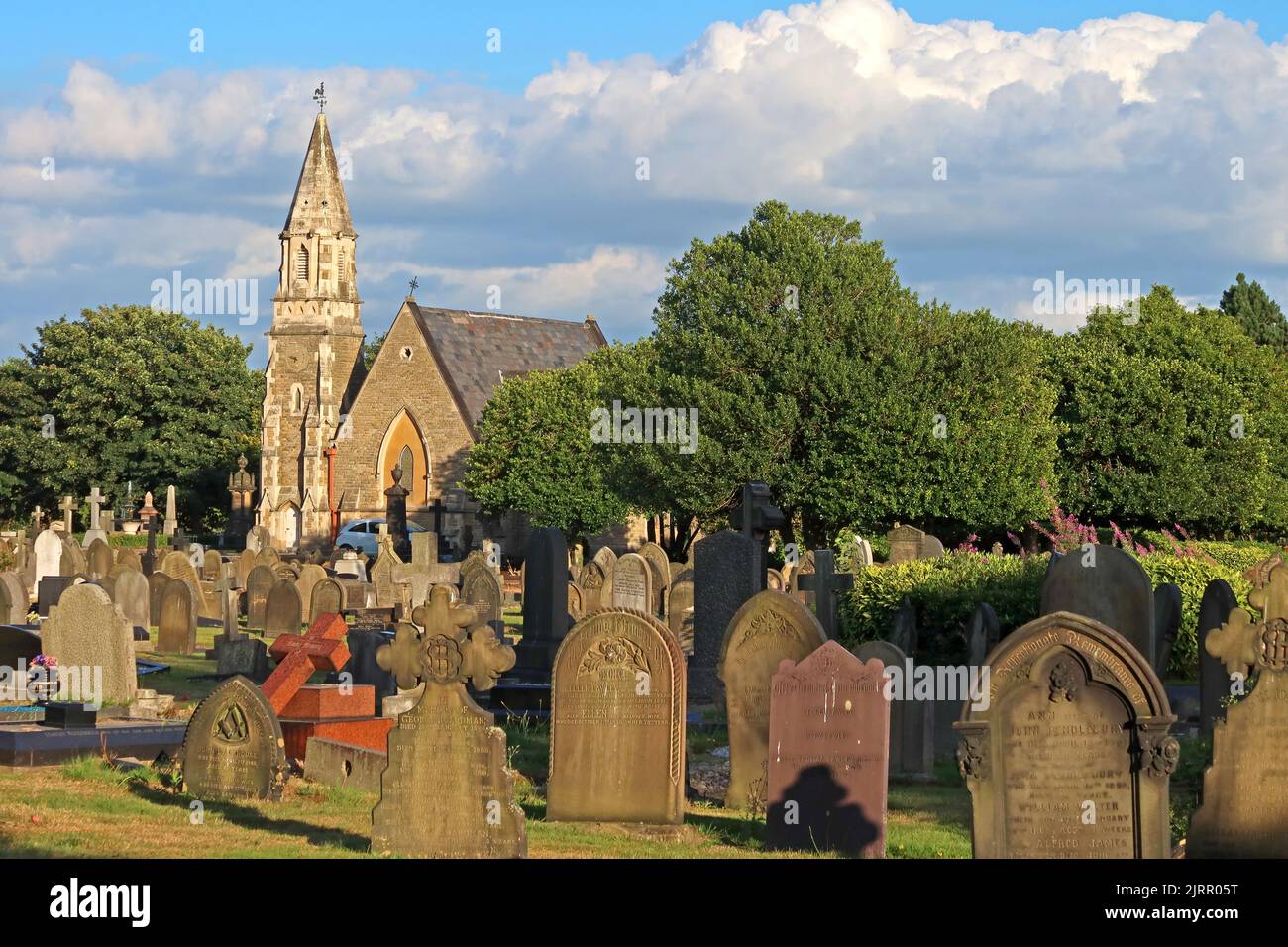
. Made at Manchester Rd, Warrington, Cheshire, England, UK, WA1 3BG in 2022, this photograph records a real place and moment, preserving details that may later be altered by redevelopment, rebranding, changing ownership or different public use. The location is represented through Chapel at Warrington Cemetery, Manchester Rd, Warrington, Cheshire, England, UK, WA1 3BG. Another layer of the photograph includes public commemoration, community memory, social history, memorial culture, commemorative plaque, liturgical art, heritage worship space, archival record, public realm, historic church fabric, commemorative object, period detail, contemporary social history, and sacred decoration. Today's relevance is strengthened by visitor tourism, historic fabric and the continuing question of how places of worship combine active faith use with heritage and tourism. From a 2025-onward perspective, local history and public commemoration are closely linked to this subject, alongside how commemorative objects become part of the identity of a place. For later comparison, the photograph preserves materials and architectural details at Manchester Rd, Warrington, Cheshire, England, UK, WA1 3BG, details that may look very different after new construction. The photograph additionally reflects place-based remembrance, place identity, tribute design, before-and-after reference, visual archive, parish church heritage, church interior, and community identity. The recorded references to Chapel, Manchester, and Cemetery preserve clues about how the subject was presented, used or understood at the time. The period setting at Manchester Rd, Warrington, Cheshire, England, UK, WA1 3BG helps place the main subject within real social and physical surroundings rather than isolating it as an abstract object. The period view preserves a local visual benchmark for future local research. The view records a point of historical comparison before later change alters the scene.