3648 x 4860 px | 30,9 x 41,1 cm | 12,2 x 16,2 inches | 300dpi
Date de la prise de vue:
13 octobre 2024
Lieu:
Porto, Portugal
Informations supplémentaires:
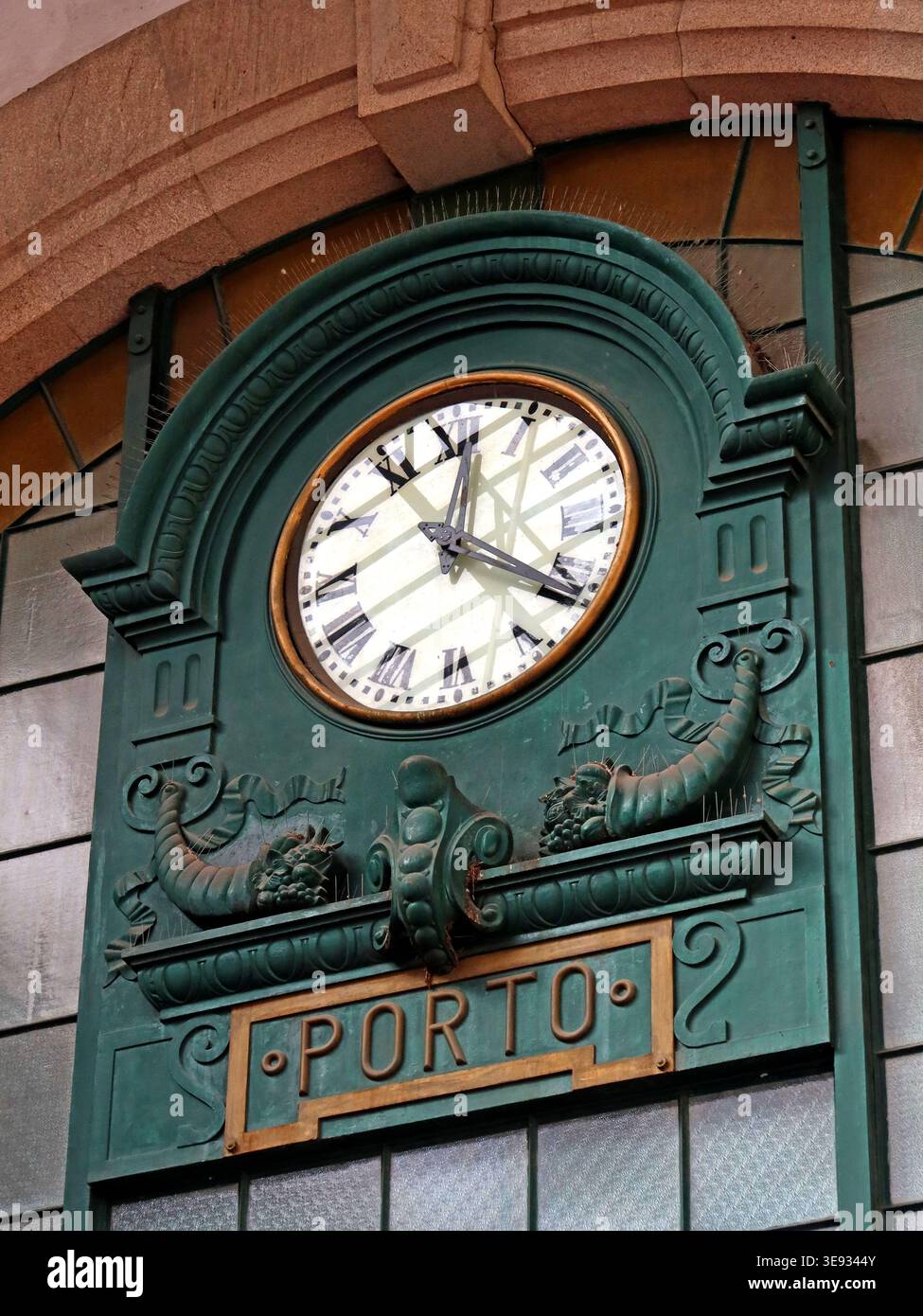
. Porto station clock. Photographed on 13 October 2024. The recorded location is Porto, Portugal. For the story of clock face, it is useful to note that public clocks were once essential pieces of civic infrastructure, allowing travellers, workers and shoppers to coordinate time before personal watches became universal; Decorative clock cases also became architectural landmarks. The historical setting for neighbourhood is that town and neighbourhood photographs record the accumulation of ordinary change: road layouts, shop names, signage, public art and building uses; Their value increases when compared over decades because apparently minor details can become the clearest evidence of transformation. Seen through retro, the earlier context is that collectable items gain meaning through provenance and context; A board game, badge, souvenir or branded package may connect a national event or local place with mass manufacturing and personal memory. For present-day clock face, 2026 is significant because historic clocks also contribute to place identity and restoration projects where original street furniture or building details are retained. In the 2026 discussion of neighbourhood, regeneration, housing growth and changing high streets continue to alter many British towns, giving well-located photographs practical relevance for local-past comparison. Closely connected keywords include heritage clock, timekeeping, mechanical clock, street clock, civic landmark, horology, architectural detail, clock mechanism, public realm, heritage feature, local history, timepiece, townscape, streetscape, community history, local landmark, and urban change. Useful related concepts include local character, place-making, historic comparison, town centre, local heritage, material culture, consumer object, vintage object, memorabilia, branding, design history, consumer culture, household object, collecting, manufactured object, and product history.