8041 x 4787 px | 68,1 x 40,5 cm | 26,8 x 16 inches | 300dpi
Date de la prise de vue:
17 août 2025
Lieu:
Oban, Argyll and Bute, Scotland, UK
Informations supplémentaires:
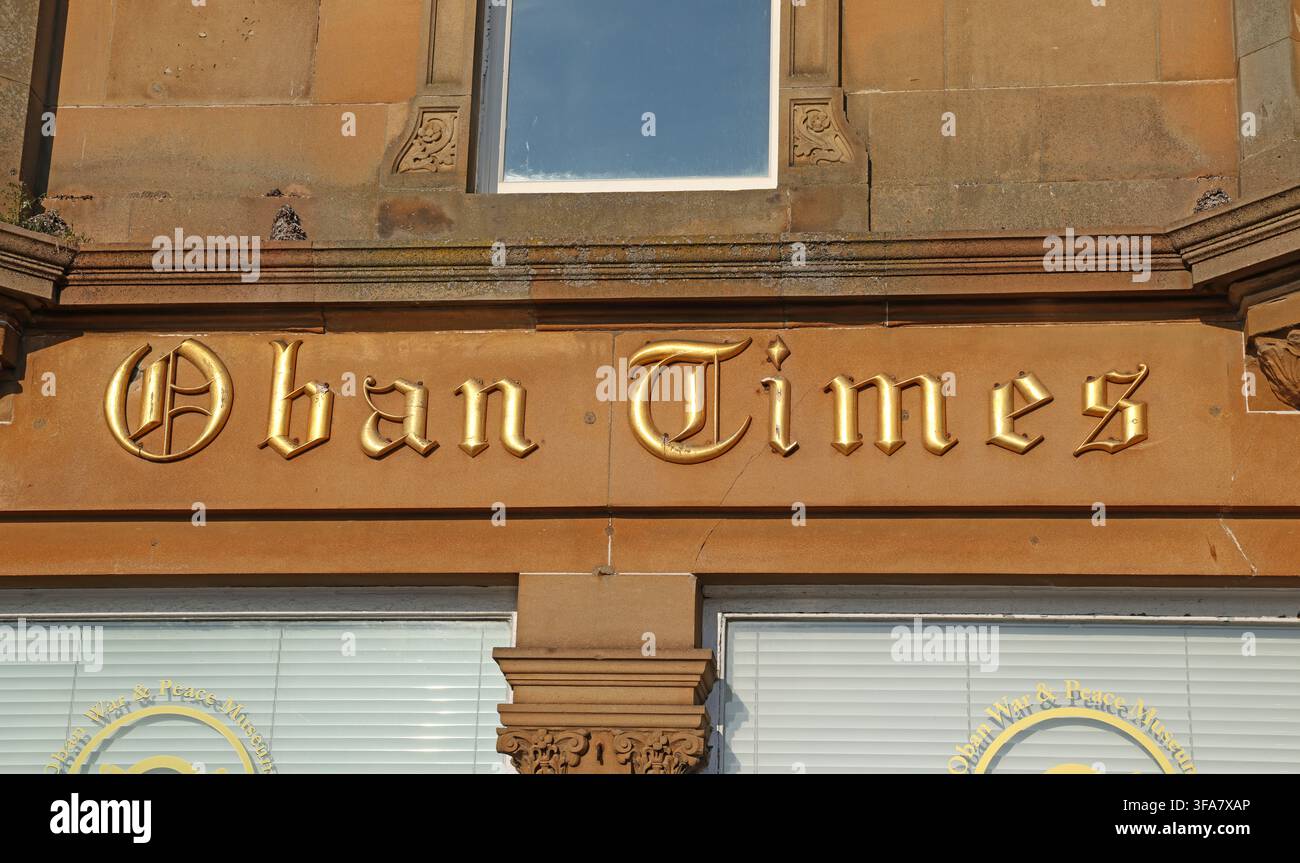
. Oban Times Newspaper forms the focus in Oban, Argyll and Bute, Scotland, UK; public realm, street photography and urban change all belong to the photographed setting. urban Britain gives Oban Times Newspaper one theme; local identity joins architecture at Oban, Argyll and Bute, Scotland, UK, while public realm contributes further context. Oban Times Newspaper frames city centre with local history in Oban, Argyll and Bute, Scotland, UK; urban change extends clearly depth, while documentary photography broadens the same scene. Oban Times Newspaper and city streets share the Oban, Argyll and Bute, Scotland, UK setting; street life links urban environment, and contemporary Britain introduces extra texture. Around Oban Times Newspaper, visual history associates British culture; in Oban, Argyll and Bute, Scotland, UK, contemporary life supplies firmly texture through regional character. Around Oban Times Newspaper, local geography frames urban streetscape; in Oban, Argyll and Bute, Scotland, UK, street scene adds directly depth through city life. For Oban Times Newspaper, architecture links public realm; street photography at Oban, Argyll and Bute, Scotland, UK deepens relevance, while social history keeps the scene specific. Within Oban, Argyll and Bute, Scotland, UK, Oban Times Newspaper connects urban change to documentary photography; urban architecture adds evidence, with local streetscape reinforcing the place. Around Oban Times Newspaper, urban environment links contemporary Britain; in Oban, Argyll and Bute, Scotland, UK, editorial photography gives strongly meaning through place identity. Oban Times Newspaper ties contemporary life at Oban, Argyll and Bute, Scotland, UK; regional character and everyday life extends relevance, with community setting adding another identifiable strand. Within Oban, Argyll and Bute, Scotland, UK, Oban Times Newspaper ends with street photography, town centre and place identity all tied to the same photographed place.