3350 x 5025 px | 28,4 x 42,5 cm | 11,2 x 16,8 inches | 300dpi
Informations supplémentaires:
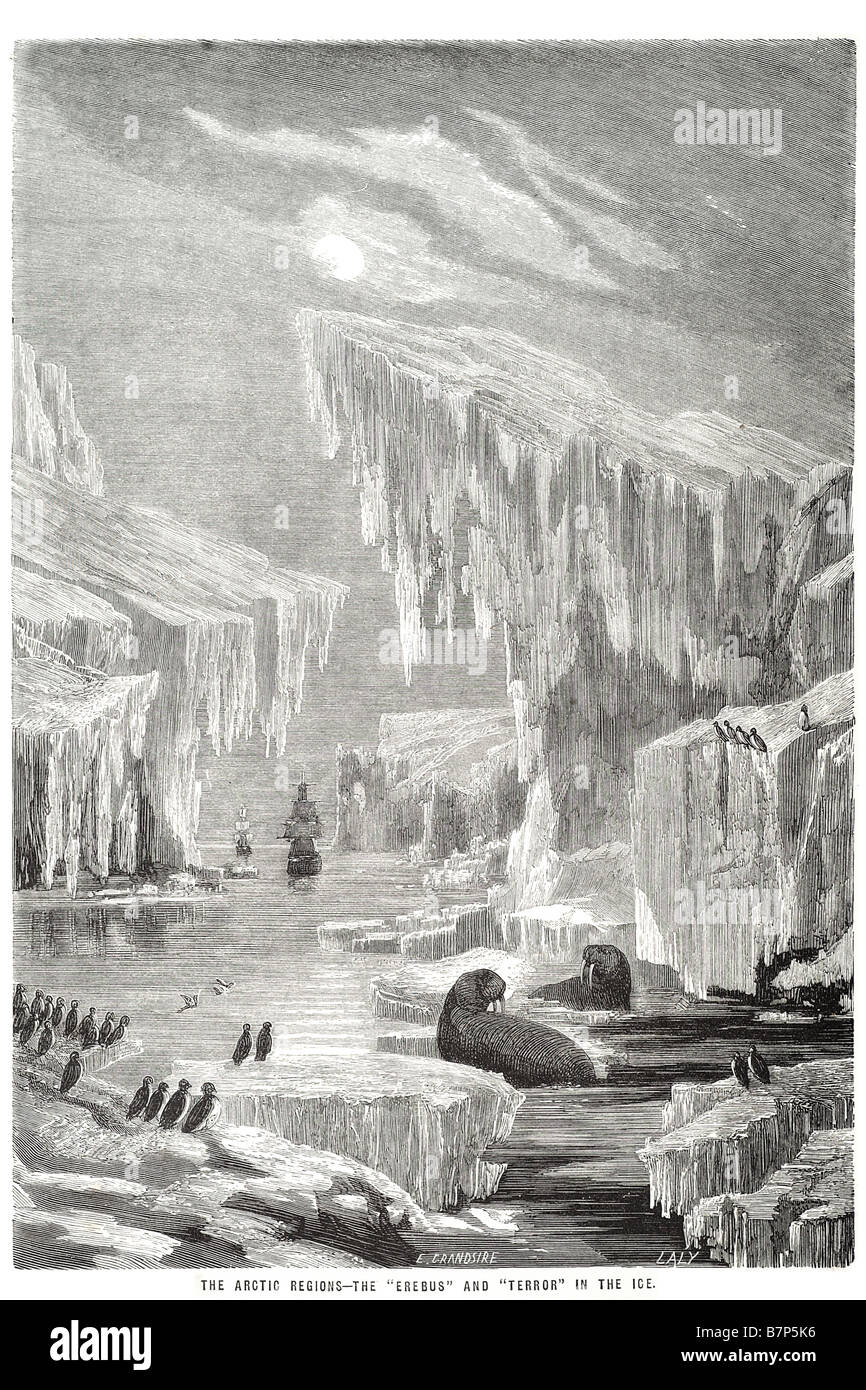
Arctic is the region around the Earth's North Pole, opposite the Antarctic region around the South Pole. The Arctic includes the Arctic Ocean (which overlies the North Pole) and parts of Canada, Greenland (a territory of Denmark), Russia, the United States (Alaska), Iceland, Norway, Sweden and Finland. The Arctic is especially vulnerable to the effects of global warming as has become apparent in the melting sea ice in recent years. Climate models predict much greater warming in the Arctic than global average. This fact has garnered significant international attention to the region. In particular, there are concerns that Arctic shrinkage, a consequence of melting glaciers and other ice in Greenland, could soon contribute to a substantial rise in sea levels worldwide. A recent study by a research group at Naval Postgraduate School, Monterey, California working with members of NASA and the Institute of Oceanology at the Polish Academy of Sciences estimate that the Arctic sea could be ice-free in the summer as soon as 2013. The Arctic sea ice melted at an unprecedented rate, well ahead of the estimates generated by climate models, in 2007. In September 2008, the extent of the summer Arctic ice cap was at a near-record low, only 9 percent greater than the record low in 2007, and 33.6 percent below the average extent of sea ice from 1979 to 2000. The current Arctic shrinkage is leading to widespread fears of a potentially catastrophic Arctic methane release. Release of methane stored in clathrates and permafrost could have a devastating effect on the Earth's atmosphere and could cause abrupt and severe global warming, as methane is a potent greenhouse gas. Similar methane release events have been linked to the great dying (a mass extinction event) and the Paleocene-Eocene thermal maximum (an abrupt climate change event). This process of Arctic methane release may cause positive feedback effects which rapidly accelerate global warming, due to