5472 x 3320 px | 46,3 x 28,1 cm | 18,2 x 11,1 inches | 300dpi
Date de la prise de vue:
13 octobre 2024
Lieu:
Porto, Portugal
Informations supplémentaires:
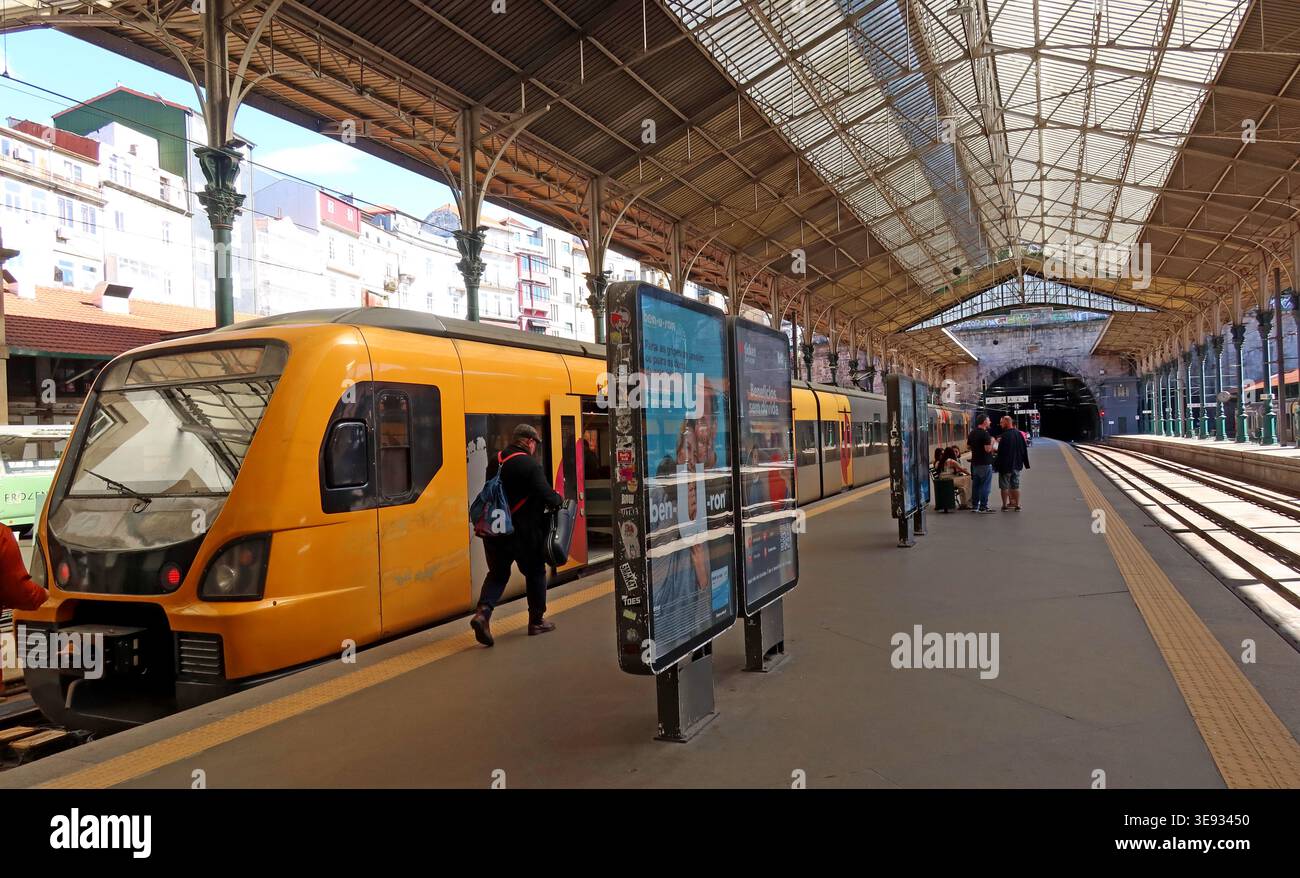
. Porto station train. Photographed on 13 October 2024. The recorded location is Porto, Portugal. In relation to townscape, historical context shows that place-based photography helps document the relationship between named locations and the people or businesses associated with them, especially where formal architectural records are limited. For the story of train service, it is useful to note that railways transformed British towns from the nineteenth century onwards, concentrating passenger movement around stations while creating new suburbs, goods yards and industrial connections; Station buildings, platforms, signals and rolling stock can date a transport scene as clearly as surrounding architecture. As of 2026, the position for townscape is that regeneration, housing growth and evolving high streets continue to alter many British towns, giving well-located photographs practical relevance for local-history comparison. For present-day train service, 2026 is significant because rail reform, fares, accessibility and passenger information remain central issues as government develops the Great British Railways model; Photographs of stations, trains and earlier operating equipment can illustrate both current public transport and the rapid disappearance of previous brands and systems. Additional natural-language search terms include local history, place identity, streetscape, community history, local landmark, neighbourhood, urban change, local character, public realm, place-making, historic comparison, town centre, local heritage, rail transport, and passenger railway. Additional subject vocabulary includes railway station, rail infrastructure, station architecture, rail heritage, commuter travel, inter-city rail, signalling, ticketing, and IMG_1574. The subject also connects local history, place identity and streetscape within the same editorial theme. Its wider context brings together place identity, streetscape and community history.